Marketing automation is no longer optional—it's the difference between scaling efficiently and drowning in manual work. In 2026, marketing automation trends are being reshaped by AI, privacy regulations, and the demand for hyper-personalization at scale. Businesses using automation see an average ROI of $5.44 for every dollar invested, yet most marketers are still only scratching the surface of what's possible. This guide breaks down the 15 most impactful marketing automation trends for 2026 and shows you exactly how to use them to increase efficiency, reduce costs, and drive measurable growth.
💡 What Is Marketing Automation?
Marketing automation uses software to automate repetitive marketing tasks like email campaigns, social media posting, lead scoring, and ad optimization. Instead of manually sending emails or managing campaigns, automation platforms execute these tasks based on triggers, rules, or AI-powered insights—freeing marketers to focus on strategy, creativity, and customer relationships.
📊 Why Marketing Automation Matters More Than Ever in 2026
The marketing automation market is exploding from $47.32 billion in 2026 to $107.5 billion by 2028. Here's why businesses are investing heavily:
- 544% average ROI — Companies earn $5.44 for every $1 spent on automation
- 80% more leads — Businesses using automation generate dramatically higher lead volume
- 77% higher conversion rates — Automated nurturing and scoring drive better results
- 34% revenue increase — The typical company attributes a 34% revenue boost to automation
- 10.5% cart recovery — Automated abandoned cart messages recover double-digit percentages of lost sales
of marketers now use automation tools in some capacity. The few who don't are falling dramatically behind competitors who operate with AI-powered efficiency.
🚀 The 15 Top Marketing Automation Trends for 2026
1 AI-Powered Autonomous Marketing Systems
Marketing automation is evolving from rules-based workflows to autonomous systems that learn and adapt without human intervention. AI now adjusts creative, budgets, and channel mix in real-time based on performance data. Starbucks' Deep Brew platform exemplifies this—automatically adjusting promotions based on weather, transactions, and behavior patterns without human input.
2 Hyper-Personalization at Scale
Generic, one-to-many campaigns are dead. In 2026, AI enables true 1-to-1 personalization across millions of customers. Email subject lines, website content, product recommendations, and ad creative all dynamically adapt to individual preferences and behavior. 84% of marketers now use AI for real-time personalization.
3 Generative AI for Content Creation
AI tools now generate high-quality blog posts, ad copy, social captions, and even video scripts at scale—learning brand voice and adapting to industry nuances. The key in 2026 is hybrid models: AI drafts content, human specialists add insight and polish. This combination delivers quality at unprecedented speed.
4 Predictive Analytics for Forecasting
Instead of reacting to lagging indicators, marketers now use AI-driven predictive analytics to project future buying patterns, churn risk, and campaign ROI. Platforms like Google Analytics 4 surface predictive metrics like churn probability and purchase likelihood, enabling proactive decision-making.
5 Privacy-First Automation & Zero-Party Data
With stricter EU and Apple regulations, marketers are shifting to zero-party data (information customers willingly share via quizzes, preference centers, surveys) and first-party data. The competitive advantage in 2026 belongs to brands with rich, consensual customer data—not those relying on third-party cookies.
6 Real-Time Campaign Optimization
AI monitors campaigns across channels, identifies top performers, reallocates budgets automatically, and pauses underperforming elements before wasting spend. Marketing teams using AI-powered optimization see 30% higher ROI on ad spend compared to manual management.
7 Omnichannel Orchestration
Customer journeys span email, social, web, SMS, and in-app experiences. Advanced automation platforms now orchestrate cohesive experiences across all touchpoints, triggering the right message on the right channel based on real-time behavior.
8 AI-Driven Lead Scoring & Intent Detection
AI analyzes thousands of behavioral signals to score leads accurately and predict buying intent. B2B marketers use this to prioritize high-intent accounts, shortening sales cycles and improving deal quality. Platforms like Warmly combine intent detection with automated engagement.
9 Dynamic Ad Creation & Programmatic Advertising
Instead of static ads, AI generates personalized ad variations on the fly based on user data, context, and performance. Programmatic platforms automatically buy and place ads in real-time, optimizing bidding strategies for maximum ROI.
10 Conversational AI & Chatbot Automation
AI-powered chatbots now handle customer service, qualification, booking, and even sales conversations—operating 24/7 with natural language understanding that feels genuinely human. These systems nurture leads while human teams focus on high-value interactions.
11 Customer Data Platforms (CDPs) as Foundation
CDPs unify fragmented customer data into real-time profiles that power personalization, predictive analytics, and campaign orchestration. Forrester research shows businesses deploying CDPs achieve 2.4x higher revenue growth. Platforms like Segment, Amperity, and Klaviyo Data Platform lead this trend.
12 Behavioral Trigger Automation
Automation responds dynamically to customer actions: cart abandonment, product browsing, inactivity, downloads, trial signups. These behavioral triggers deliver the right message at exactly the moment customers are most receptive.
13 AI-Powered Video Marketing Automation
Video dominates engagement in 2026, and AI tools now enable brands to produce cinematic-quality video content in hours instead of weeks. Platforms automate character consistency, multi-platform optimization, and dynamic personalization—scaling video production that was previously cost-prohibitive.
14 Marketing Automation for Customer Retention
Acquiring new customers costs 5x more than retaining existing ones. Automated retention strategies—loyalty programs, win-back campaigns, upsell sequences—now use AI to predict churn and proactively re-engage at-risk customers before they leave.
15 Integration of Automation with Sales & CRM
Marketing automation platforms are becoming the central nervous system connecting marketing, sales, and customer success. Seamless data flow between tools like HubSpot, Salesforce, and automation platforms ensures every team operates from a unified customer view.
Get a Free Marketing Automation Assessment
See which automation trends apply to your business and get a custom roadmap for implementation.
Request Your Free Assessment →🤖 How AI Is Transforming Marketing Automation
AI isn't just enhancing automation—it's fundamentally transforming it from rigid, rule-based systems into intelligent, learning ecosystems. Here's what's changed:
From Rules to Learning
Traditional automation: "If someone abandons cart, send email 2 hours later."
AI-powered automation: "Analyze 1 million cart abandonment patterns, determine optimal send time for each customer segment, test subject lines, predict conversion probability, and personalize offers dynamically."
Real-World AI Impact
- Starbucks Deep Brew: Continuously analyzes millions of transactions to personalize offers in real-time
- Netflix: 80% of viewer activity driven by AI-powered personalized recommendations
- Amazon: 35% of revenue generated through AI recommendation engine
Key Insight: "The gap in 2026 won't be between brands using AI and brands not using AI. It'll be between brands with rich customer data and brands guessing at what their customers want." — Marika Tselonis, Kulin Agency
🗺️ Automation Across the Customer Journey
Awareness Stage
- AI-optimized ad targeting based on lookalike audiences
- Automated content distribution across social, email, and web
- Programmatic advertising with dynamic creative optimization
Consideration Stage
- Lead scoring and nurture sequences triggered by behavior
- Personalized email journeys based on engagement patterns
- Retargeting campaigns across channels
Decision Stage
- Automated product recommendations and upsells
- Chatbots handling objections and answering questions
- Triggered discount offers based on cart value and intent signals
Retention & Loyalty
- Win-back campaigns triggered by inactivity
- Loyalty program automation with personalized rewards
- Churn prediction models triggering proactive retention efforts
💼 Marketing Automation for B2B vs B2C
B2B Automation Priorities
- Long sales cycles require sophisticated lead nurturing (6-18 month journeys)
- Account-based marketing (ABM) with coordinated multi-touch campaigns
- Integration with CRM for sales handoff and closed-loop reporting
- Content-heavy strategies: webinars, whitepapers, case studies
B2C Automation Priorities
- Short sales cycles demand immediate personalization and conversion optimization
- Behavioral triggers: browse abandonment, cart abandonment, post-purchase sequences
- SMS and push notification automation for real-time engagement
- Dynamic product recommendations and upsells at scale
🛠️ Choosing the Right Marketing Automation Tools
Top Platforms for 2026
- HubSpot: All-in-one platform with CRM, email, social, and analytics — best for SMBs
- Marketo (Adobe): Enterprise-grade B2B automation with advanced scoring and ABM
- Klaviyo: E-commerce focused with powerful segmentation and CDP integration
- ActiveCampaign: Affordable automation with strong email and CRM capabilities
- Salesforce Marketing Cloud: Enterprise solution with deep CRM integration
Specialized AI Tools
- Segment / Amperity: Customer data platforms for unified profiles
- Blueshift / Optimove: AI-driven journey orchestration
- Madgicx: AI-powered Meta ads automation and optimization
- Warmly: AI lead scoring and automated engagement for B2B
⚠️ Common Marketing Automation Mistakes
- Over-automating without strategy: Automation without clear goals just creates noise, not results
- Ignoring data quality: AI is only as good as the data it learns from — garbage in, garbage out
- Setting and forgetting: Even AI-powered automation requires monitoring and optimization
- Treating all customers the same: Generic automation defeats the purpose — segment intelligently
- Not testing and iterating: Continuous A/B testing is essential for improving performance
- Failing to integrate tools: Siloed automation creates disconnected customer experiences
📈 How to Measure Marketing Automation ROI
Key Metrics to Track
- Revenue per automated campaign: Direct revenue attribution to automated workflows
- Cost savings from efficiency: Time saved × average hourly cost of manual labor
- Lead volume increase: 80% average increase for businesses using automation
- Conversion rate improvement: 77% higher rates through automated nurturing
- Customer lifetime value (LTV): Retention automation significantly increases LTV
- Payback period: Most businesses recoup investment within 6 months
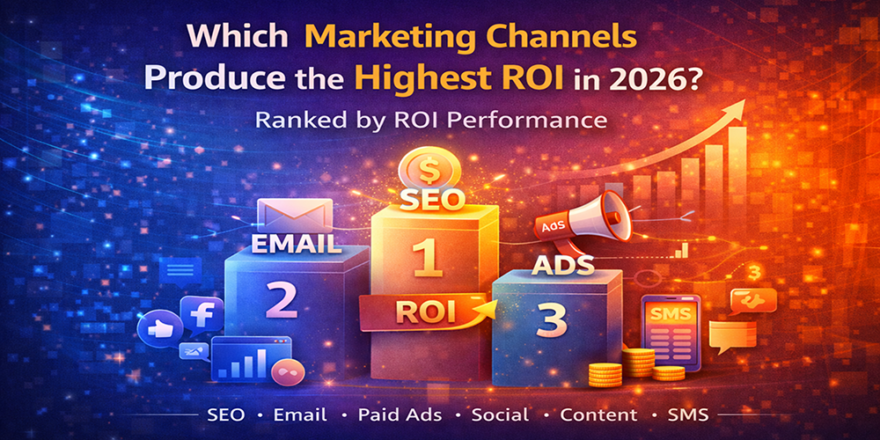
Average return for every $1 invested in marketing automation — a 544% ROI over three years. Email automation alone delivers $36-$42 per $1 spent.
✅ Is Marketing Automation Worth the Investment?
Short answer: Almost always yes.
Automation Makes Sense When:
- You're spending 10+ hours/week on repetitive marketing tasks
- You have a database of 500+ contacts or customers
- You're running multi-channel campaigns (email, social, ads, web)
- You need to nurture leads over weeks or months
- You want to personalize at scale beyond manual capabilities
- You're ready to invest $500-$5,000+/month in tools and implementation
Start Small, Scale Smart
You don't need enterprise-level automation on day one. Start with email automation and basic lead scoring, prove ROI, then expand to advanced AI-powered features. The key is consistent measurement and iteration.